11th September 2026
Barclays: a positive change in culture and bigger profits than ever
There's signs of real culture change at Barclays - and tangible progress in our ratings. And it's not coming at the cost of the bank's bottom line.
11th September 2026
There's signs of real culture change at Barclays - and tangible progress in our ratings. And it's not coming at the cost of the bank's bottom line.
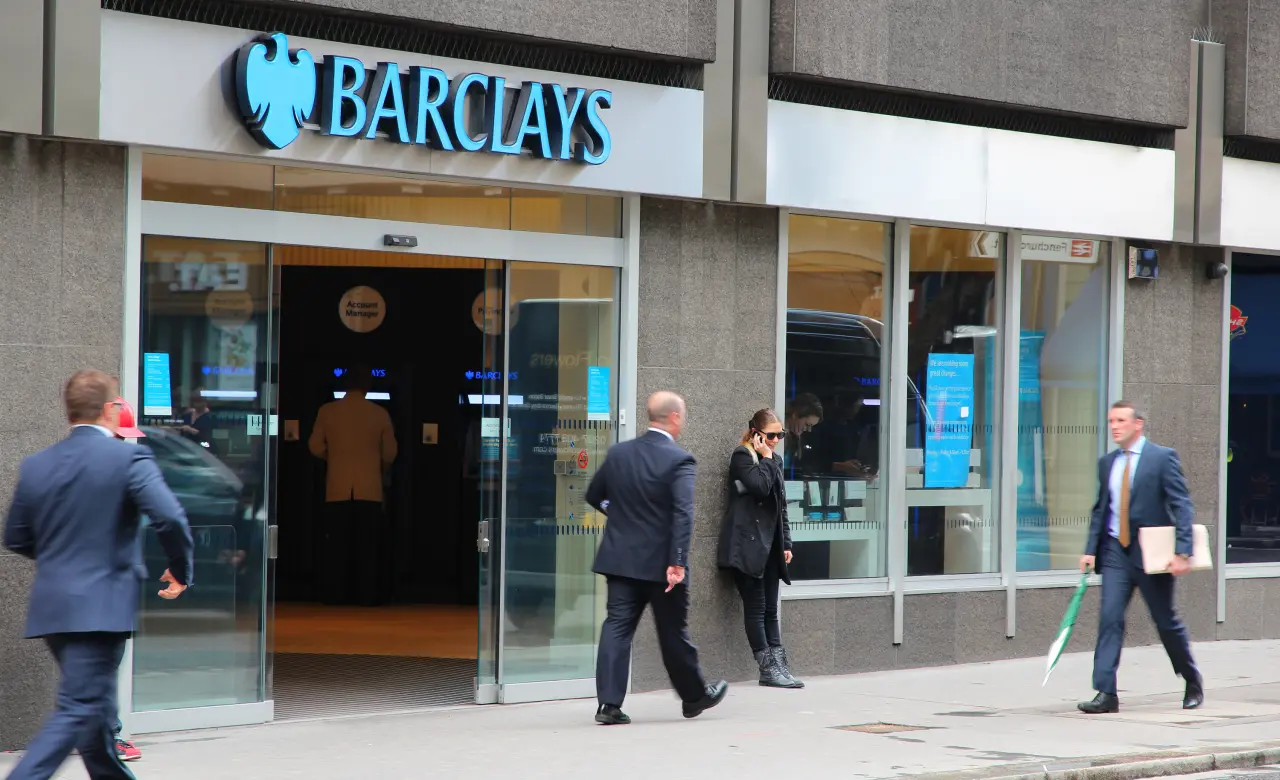
For most of the past 25 years or so that I’ve been involved in financial services, Barclays has been viewed as one of the more commercially focused consumer brands – prioritising shareholder returns over customer outcomes. In the 90s and 2000s It was one of the main players in the PPI market, eventually forced to pay back an estimated £11bn in compensation to consumers. It was fined almost £300m over the Libor interest rate rigging scandal, and it had a string of CEOs who represented the brash face of investment banking – and often appeared unconvincing in their stated commitment to consumers on the retail side of the business.
Back in the early 2000s, Barclays then chief executive Matt Barrett grabbed the headlines when he told the Treasury Select Committee that he would never borrow on Barclays’ credit cards because they were too expensive. A few years later, chief executive Bob Diamond was labelled by ministers as the “unacceptable face of banking” due to his large pay package. In the next decade, CEO Jes Staley ended up being forced to resign after trying to unmask a whistleblower, and was subsequently banned from financial services for lying about his relationship with Jeffrey Epstein.
Somewhere in the middle of all this, Antony Jenkins became CEO and began to talk about putting customers first and showing contrition for the scandals of the past. But within a few years, he was sacked by the board for not making enough money – and investment banker Staley was hired to replace him.
But the last few years have felt quite different. CS Venkatakrishnan took over from Staley in November 2021, and has made a deliberate move to prioritise integrity and transparency in the bank. Five years in, the benefits of this shift are starting to shine through.
In our latest customer experience ratings, Barclaycard made it into the gold ribbon tier for the first time in our 12 year history. That progress has been made through incremental improvements to customer journeys – such as the recent relaunch of its app – but also through customer-friendly changes to its products. A few years ago, Barclays became one of the first credit card companies to give its customers an interest free period on cash withdrawals – in the same way it does on purchases. Most companies still charge interest from the moment the cash comes out of the machine, and they charge a higher interest rate as well. It’s a trap that tends to catch out the least financially resilient customers.
Earlier this year, it relaunched its credit builder card with a promise to lower the APR for customers after year one and year two. That’s exactly how a credit builder card should work – repricing customers as they prove they can keep up with payments. But most in the sector still bring customers in on high rates and hold them there.
In its wealth division, Barclays cut its fees dramatically this year – a move that’s helped push it into the gold tier in our Investing & Pensions ratings – again for the first time ever.
And in bank accounts, it improved from 25th (out of 27) to 13th in just two years – making significant improvements in its customer satisfaction scores.
Most banks talk a good game about putting their customers first – but I prefer to judge them on their performance over the long-term. There’s now a clear picture of cultural change emerging at Barclays.
Importantly, this is not coming at the cost of shareholder returns. Barclays has made record profits in each of the last two years, and is on track for another bumper year in 2026.
There’s always more to do – and there are plenty of areas where it can still improve. But it’s encouraging to see one of the largest UK banks demonstrating that transparency, integrity and good customer outcomes don’t have to be in conflict with profitability.
In Antony Jenkins’ defence, it was much harder to make money in retail banking a decade ago when interest rates were on the floor. Venkat has had the benefit of a widening net interest margin.
But he’s not pushed all of that to shareholders. He’s also invested some in shaving off some of the old rough edges.
I’ve always believed that financial services firms who are able to take a long-term view – and build real trust in their customer base – will be most profitable. But it’s always proved too tempting to take a short-term approach, exploiting consumers’ lack of financial capability to drive up profits. In theory, Consumer Duty requires firms to align the interests of shareholders and customers – but most have not got there yet. Hopefully the cultural changes at Barclays combined with record profits will make other firms sit up and follow suit.